
Godspeed
reflections on India, Immortality and the English

A few weeks ago I wrote a post here about Sunrise on the Ganges. At about the same time, I recorded a somewhat different piece for the BBC From Our Own Correspondent programme. That was finally broadcast this weekend, the final item after reports from my distinguished friends and colleagues in Ukraine, Iran, and the US. You can listen to it here.
Here is the text of the report, with a few more pictures from my trip. It’s good to know we can still ponder such big questions on the airwaves…
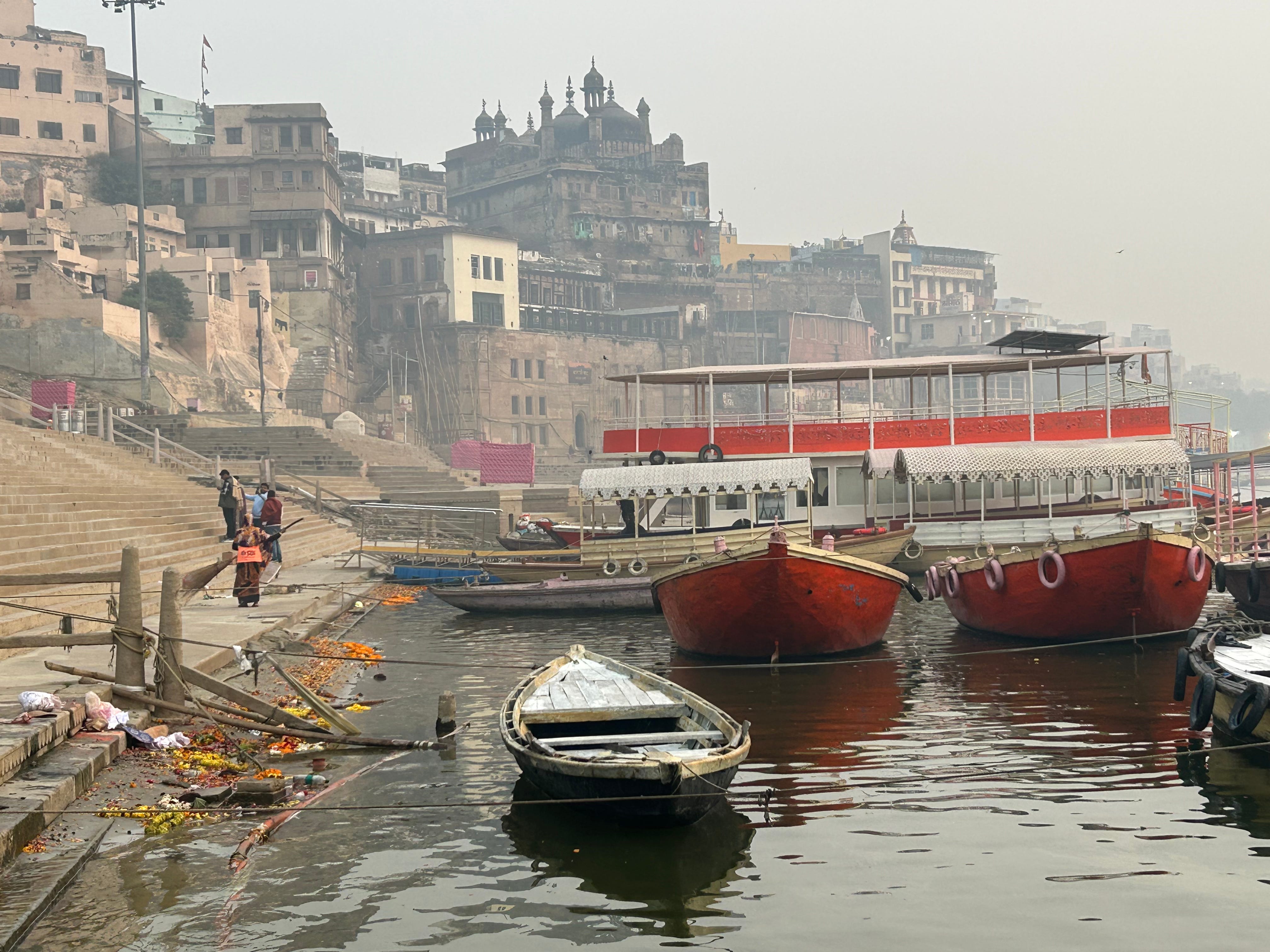
How can we, as strangers, ever enter, and gain a measure of acceptance in another culture? It’s a question that has nagged me since I first left home and began travelling the world, and nowhere more so than here in India.
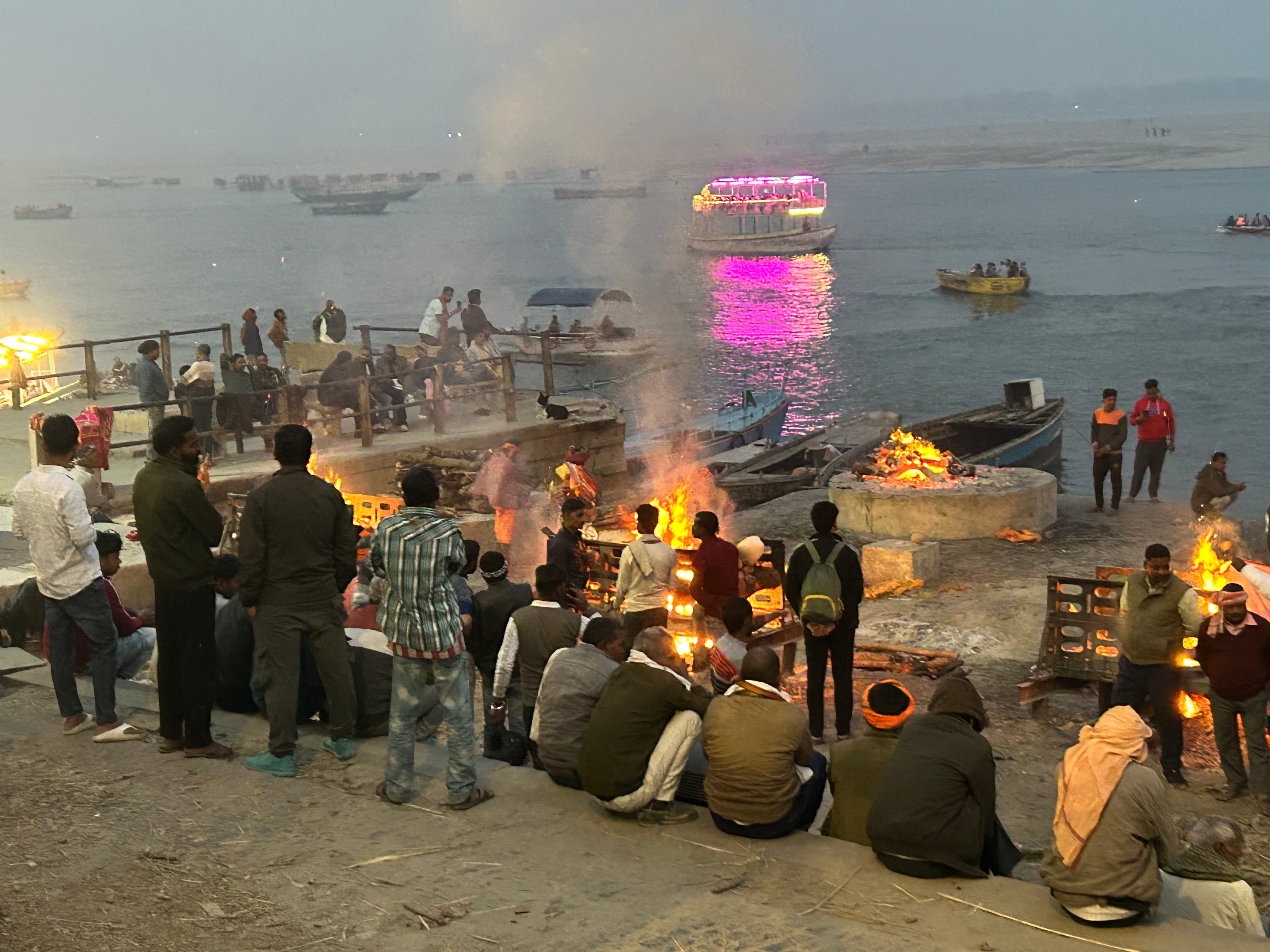
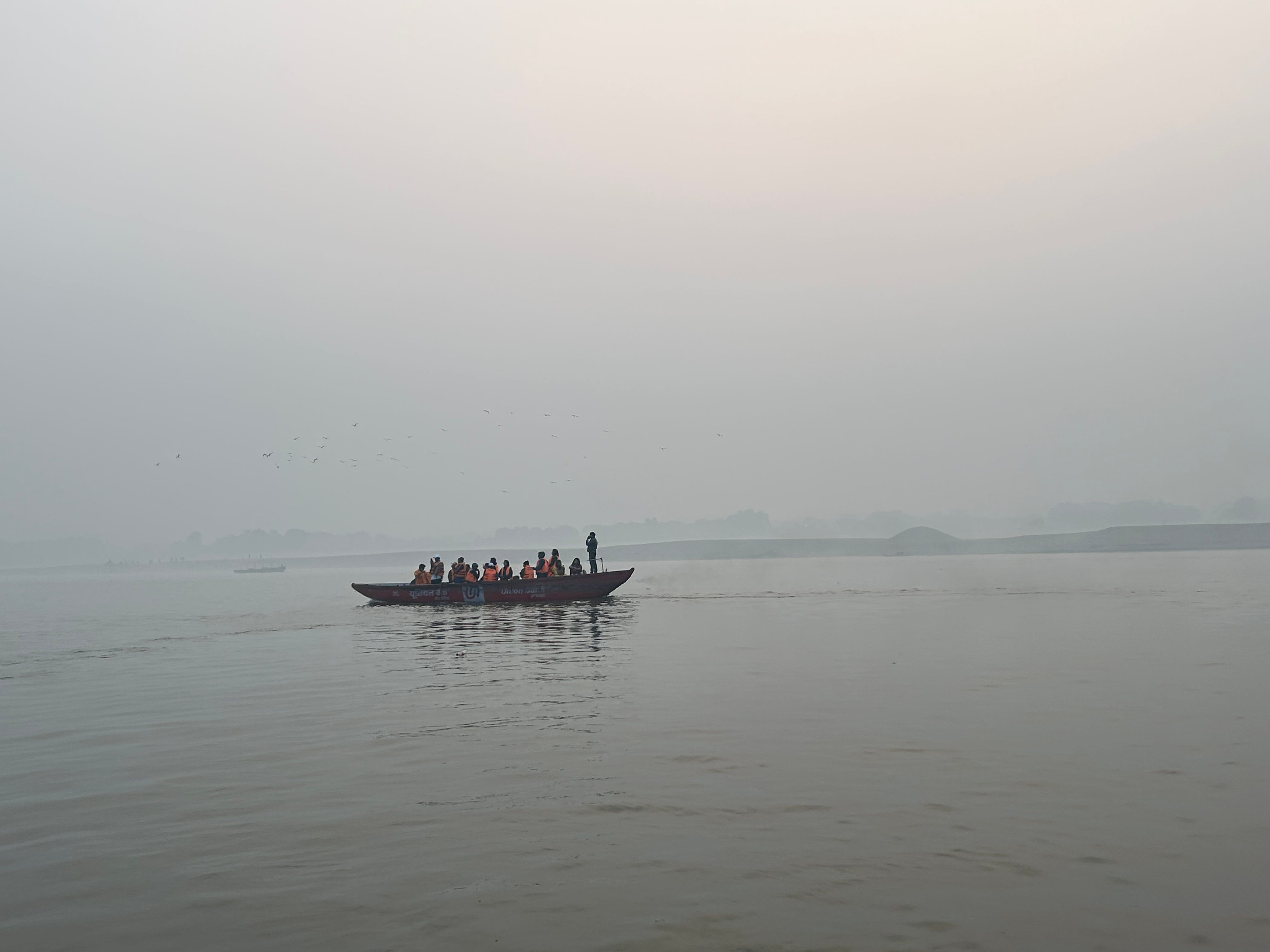
Varanasi is the city where Hindus take the short-cut to immortality. They do so with a combination of fire, and water - immersing themselves in the visibly filthy but religiously pure and luminescent waters of the River Ganges, and patiently waiting to die here, so that their mortal remains can be turned to ash and bone on funeral pyres, then scattered on the river. The fire, at this auspicious place, does not destroy but releases the soul, breaking loose from the chains which bind us all to the wheel of suffering, towards moksha - enlightenment. Lord Shiva whispers the right word in the ear, and the soul passes. It should be no harder than fording a river in a shallow place.
I copy the locals, shielding with my hands my eyes and face from the fire as I walk close by. The mango wood is dry and well stacked. It ignites immediately, sprinkled with ghee and sandalwood to make it burn faster, brighter, more brilliantly. It’s mercifully not easy to discern the body parts in the flames, so closely do they resemble the twisted wood.
A memory from England springs to mind. ‘Godspeed!’ cried my friend Steve, an Anglican priest, as he propelled our old friend Gerard into the inferno of a British crematorium.
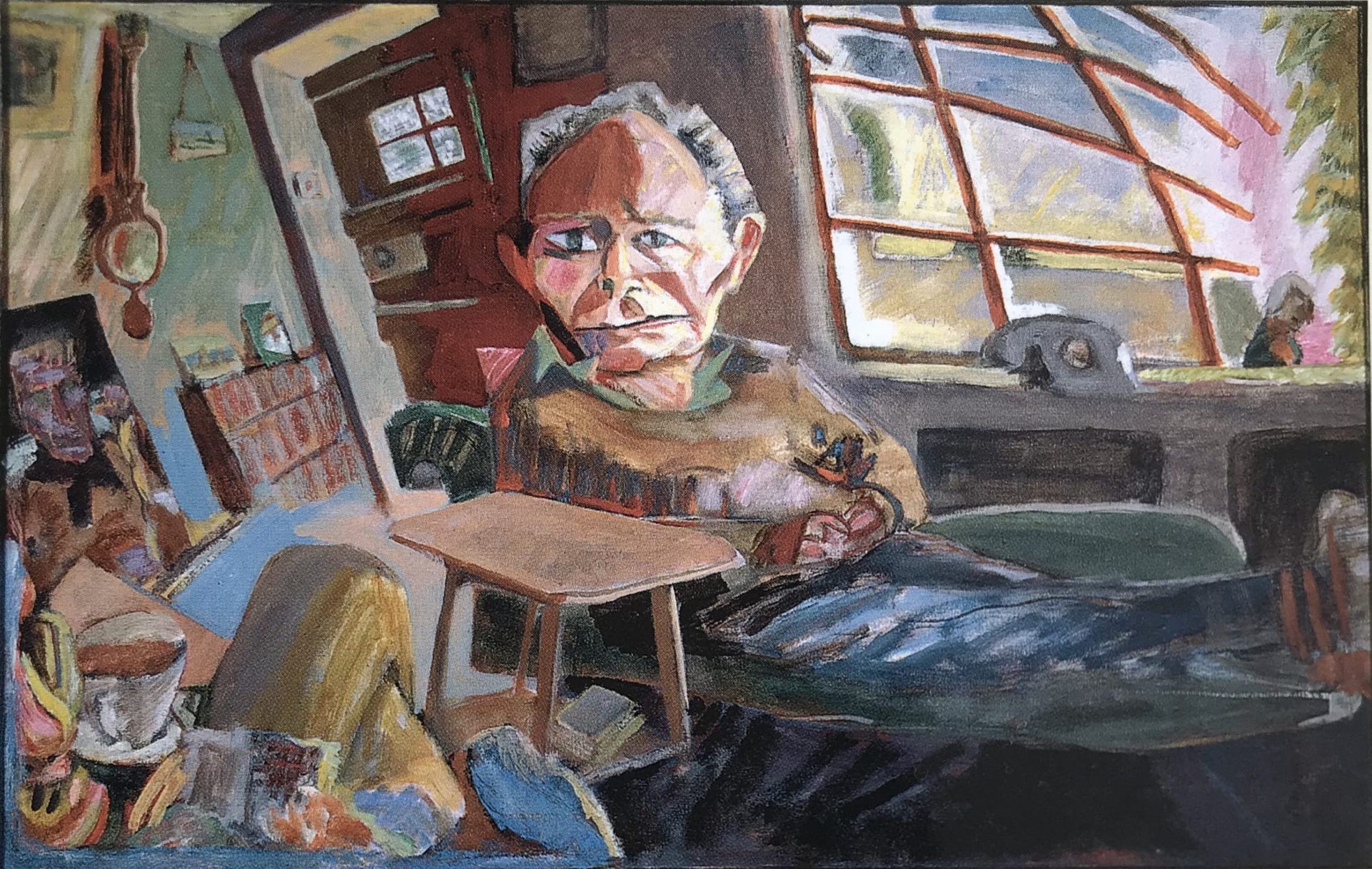
Gerard Casey at home in Mappowder, Dorset, by Timothy Hyman
‘Godspeed’ - it’s not a word we use very often in a world of gigabytes and terabytes. It started in Middle English as ‘good-speed’ - a blessing on travellers, setting out on a hazardous journey, then evolved into a more religious interpretation - invoking God’s protection on that same, risky undertaking. Not so far from the Hindu vision. Implying success - and a safe arrival someplace else.
From Varanasi, we visited Sarnath, only 8 kilometres /five miles away, to seek refuge among the Buddhists from the pressing crowds by the river. This is the place where the Buddha taught his disciples the 5-fold path, in his first sermon in the deer park. That life involves suffering. Suffering is caused by craving and attachment. Suffering can end, so liberation (nirvāṇa) is possible. And there is a path to that end. Liberation again, not annihilation.
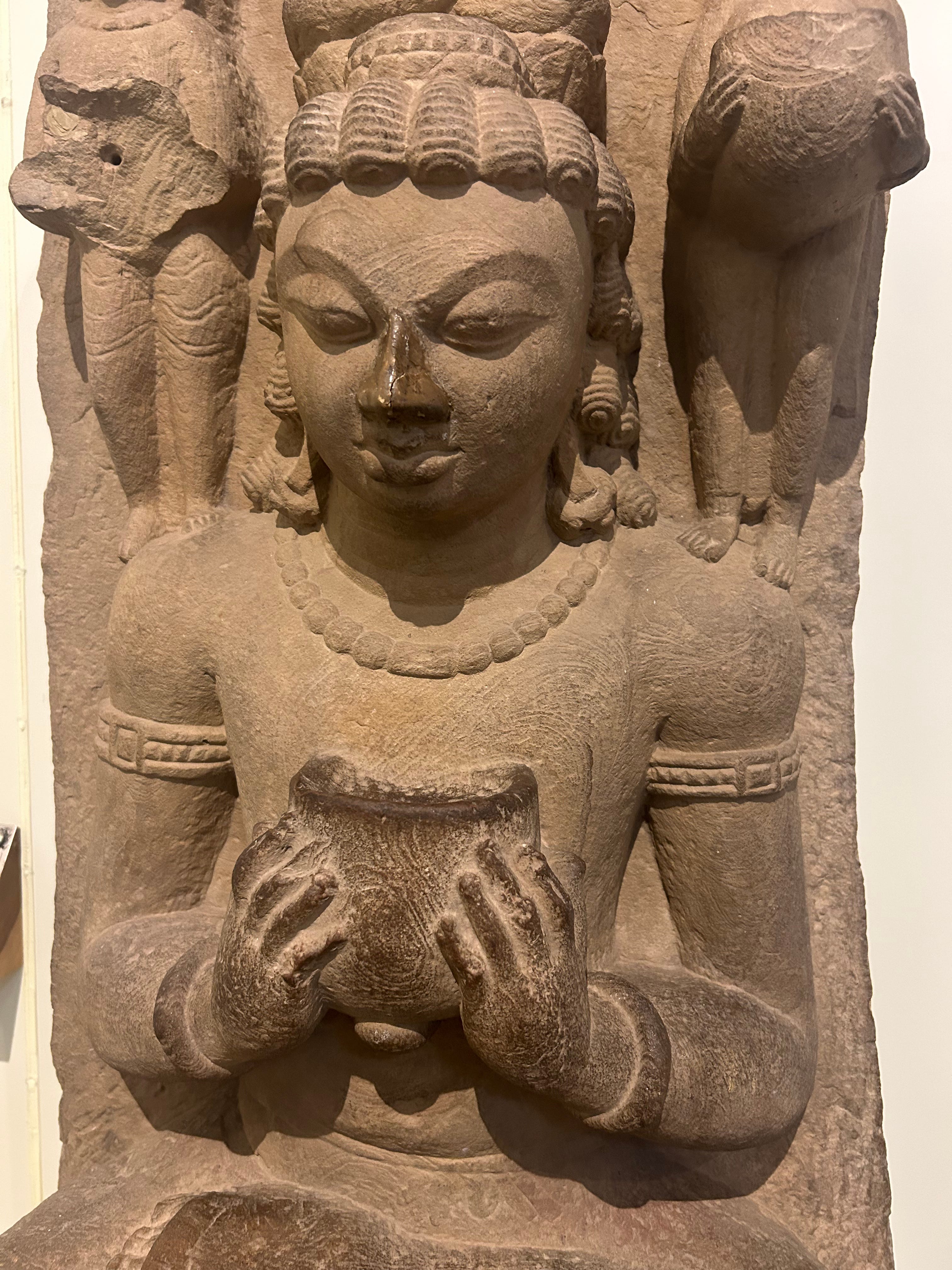
The Buddha, in the Sarnath museum
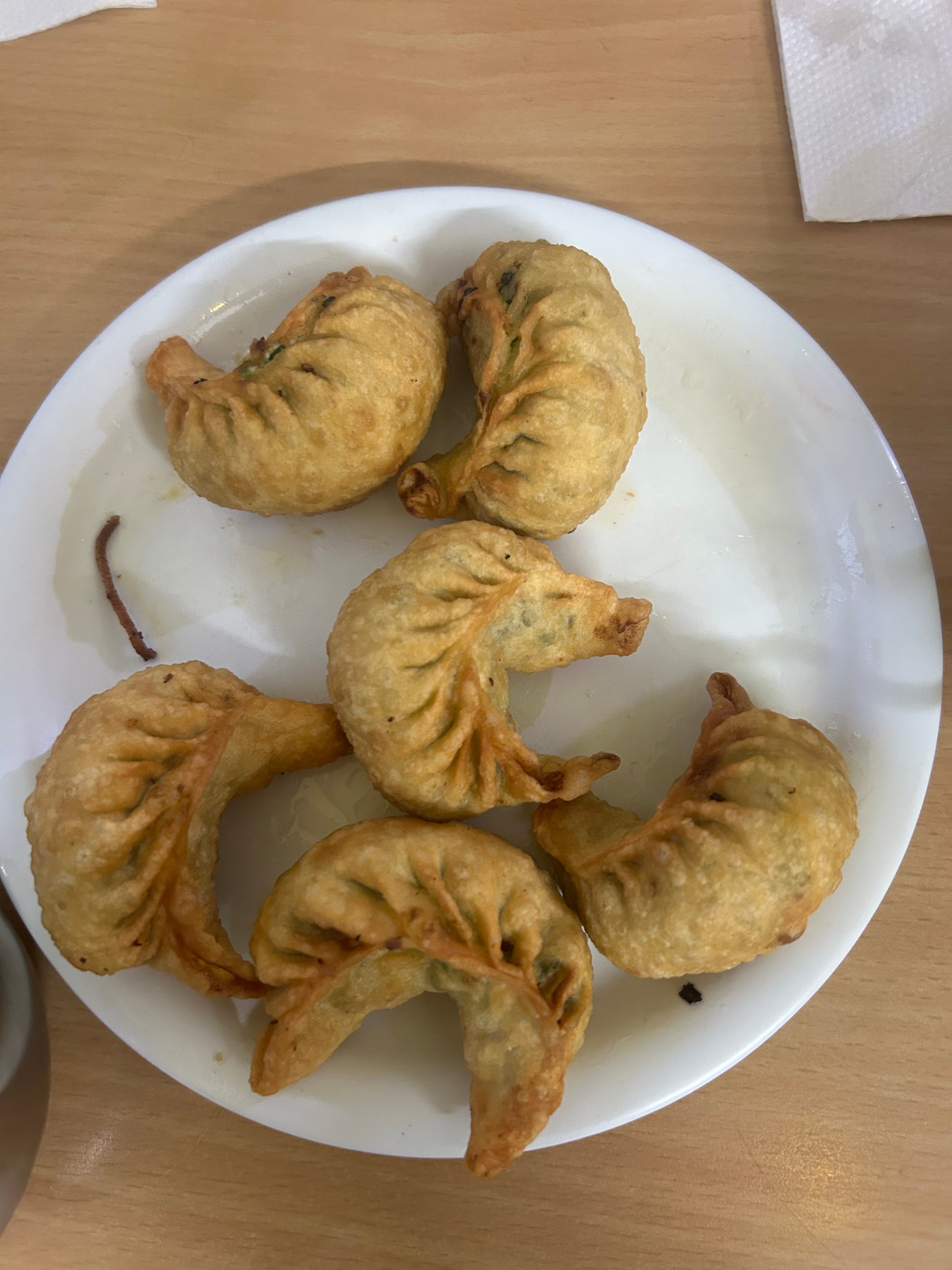
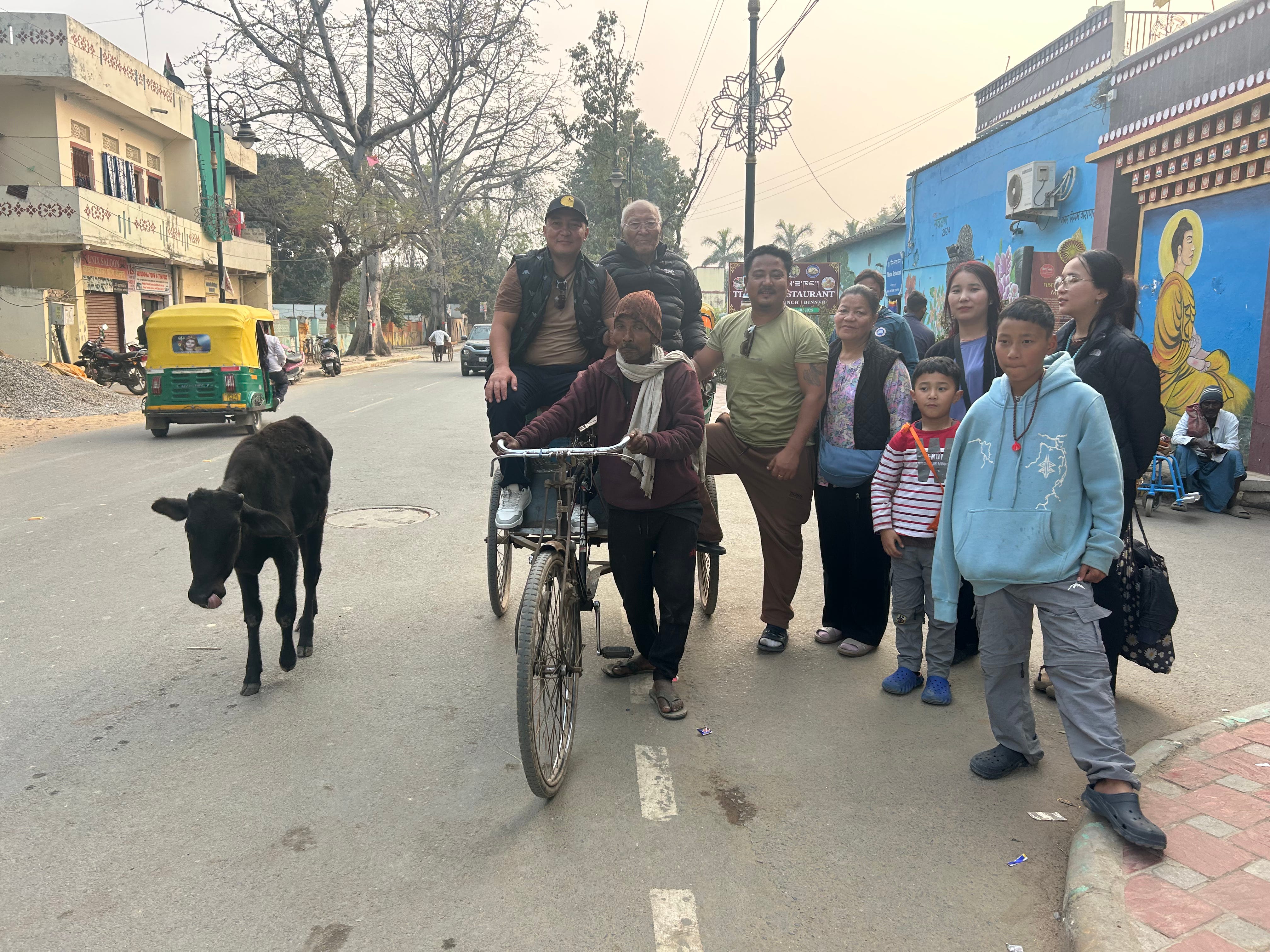
At the gates of the park, we met a Buddhist family from Darjeeling. Tibetans. In early 1959, the 22 year old - who is now the 90 year old head of the family – told me how he escaped after China’s brutal response to popular protests, along with 80,000 or so others - the Dalai Lama among them -across the Himalayas into India. Several thousand died on that arduous journey into exile. The family is here on a pilgrimage. We bump into them again later, eating momos, little Tibetan dumplings, in a restaurant the other side of the park.
Full of laughter, he walks with a stick, but is still in stout good hea
lth, his son tells me, proudly. As they leave, perched high as a stupa on a cycle rickshaw, I take a picture of the whole family, 9 people who owe their existence to a young man’s bravery.
From Varanasi we catch the midnight train to Lucknow. The second-class sleeping car is crowded but clean and comfortable, and the train is perfectly punctual.


Lucknow is a very different city to Varanasi, with only a tributary of the Ganges, the Gomti, but no less interesting. Here too, children fly homemade kites all day along the river, and from every scrap of open land or flat rooftop. The trees are dotted with a red and purple mosaic of lost kites.
Cows and dogs wander the streets. In the old city, children wave and adults greet us from dark alleys, rooftops and doorways.


Over the doorway of a mosque - Lucknow is a quarter Shia Muslim - two fishes are embossed on the plaster - symbols of good fortune and fertility, and the crest of Lucknow. A young woman interrupts feeding leaves to three goats on her doorstep, to wave to us. May I tak your photograph? Of course! Men welcome us into their workshop, to watch them weave golden threads into a broad tapestry. It’s cold in the evenings, in the rainy season in Lucknow. It’s good to wear a jumper, a Kashmiri scarf, even a coat on the back seat of a tuk-tuk, buffeted by the wind.


Where does all this leave us, strangers in strange lands?
It was the Argentinian writer, Jorge Luis Borges, who first alerted me to the existence of what he called ‘a strange doubt among Englishmen as to whether they really exist.’ I wonder if that helps, or hinders our own journeys to Enlightenment?