

Two years ago, in May 2023, I interviewed George Birnbaum in Paris for the BBC. About Benjamin Netanyahu, Donald Trump, Viktor Orban, George Soros, and others - and the way spin doctors spin and spin until their messages so bewitch electorates, that their clients win and win. Political consultants George Birnbaum and Arthur Finkelstein began working for Orban around 2008, on Netanyahu’s recommendation.
The interview is an exploration of how polarisation works, and the moral morass in which we who muddy our feet in global politics wade, every day.
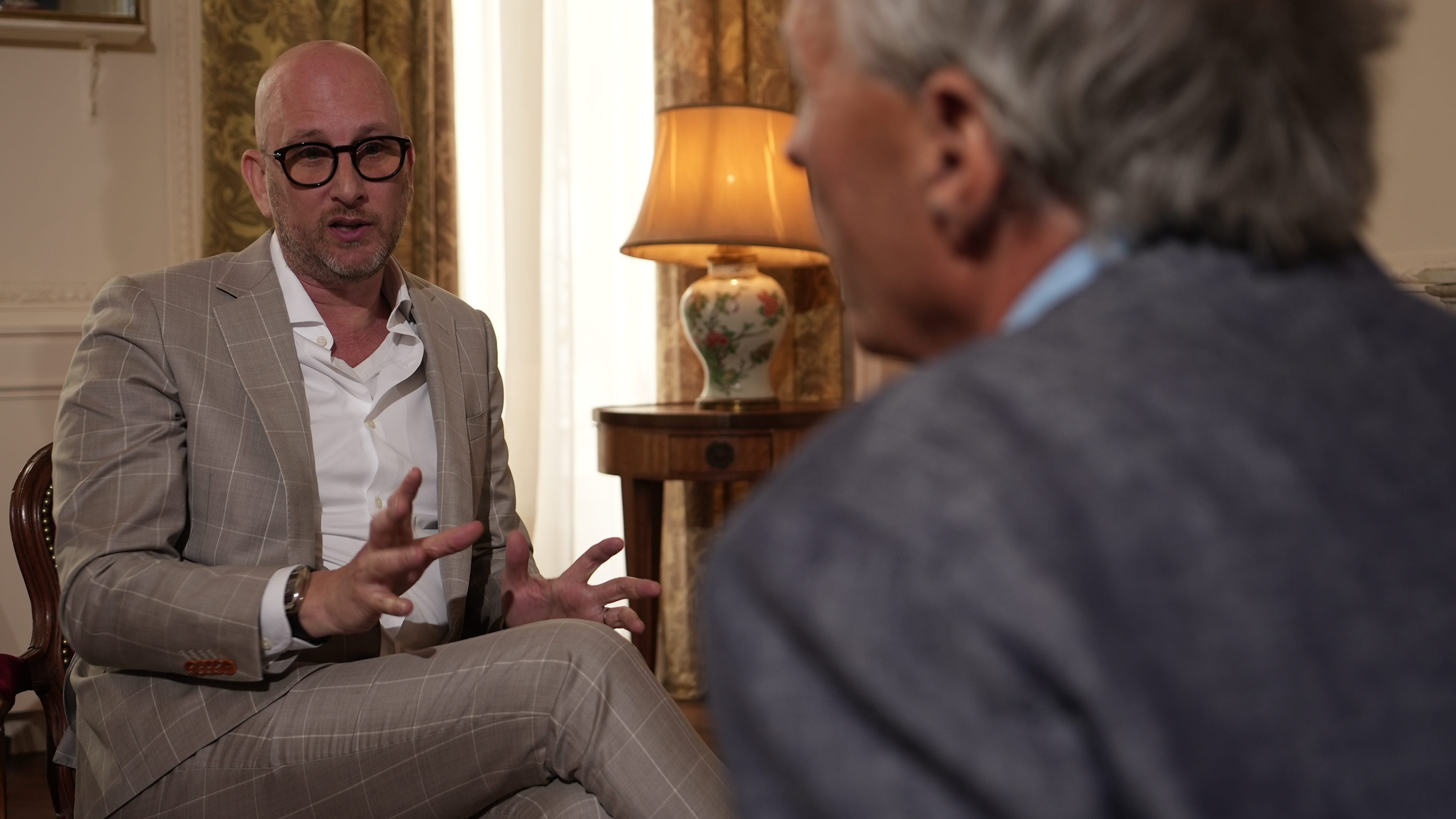
Two years on, I’m happy to post it here on my own platform, and make it available in public for the first time since it was broadcast on The Briefing programme on BBC World TV in the first week of July 2023. An online version appeared here.
The occasion is the state visit of the Israeli Prime Minister Benjamin Netanyahu to his friend the Hungarian Prime Minister Viktor Orban, in Budapest, starting 3 April 2025, and the decision of Hungary announced on the same day to withdraw from the International Criminal Court.
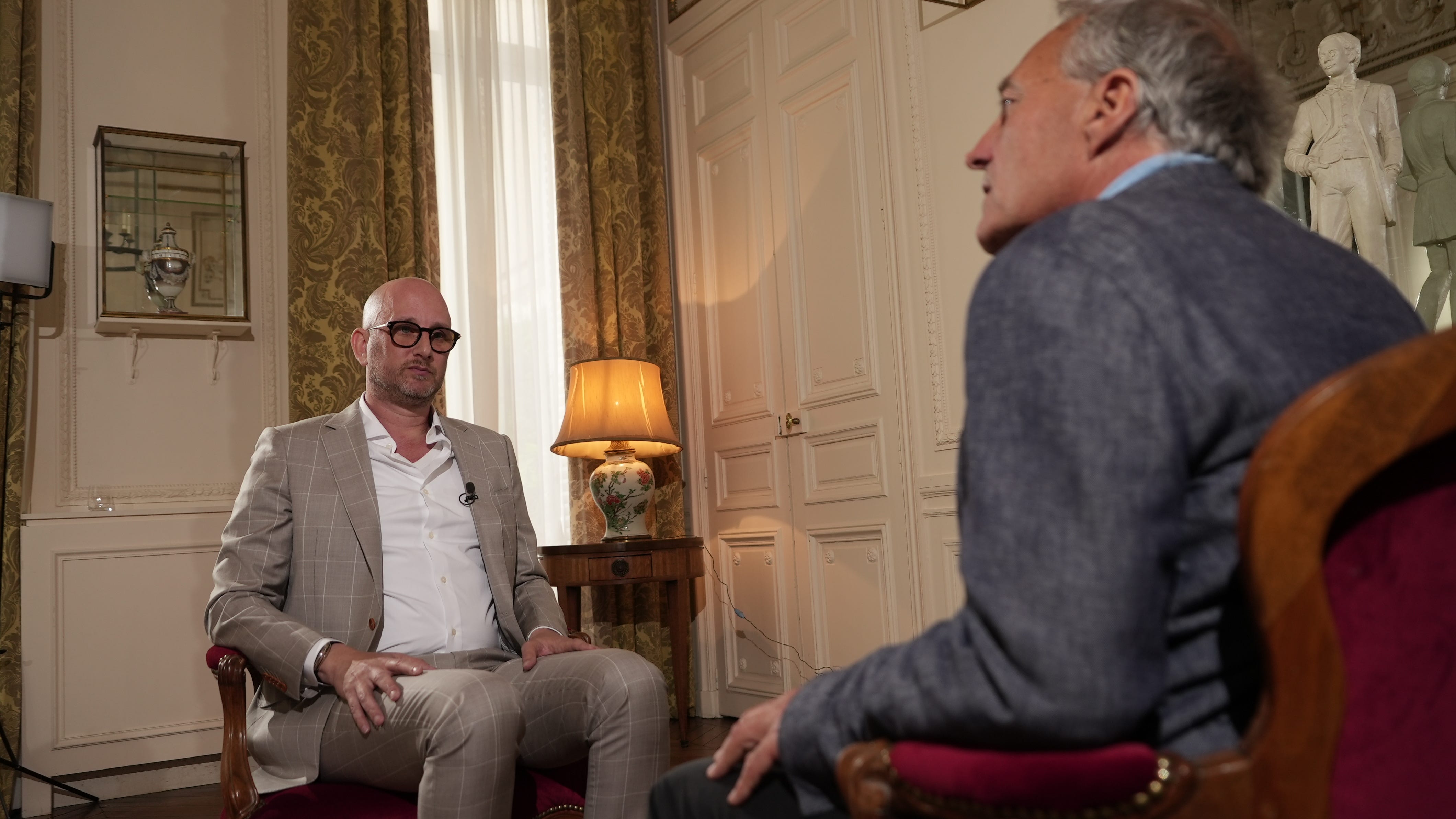
All photographs courtesy Bruno Boelpaep.
Some quotes from the conversations:
‘Political campaigns are based on one thing - advertising. And winning any advertising campaign… is about repeating a message and getting people to remember the message…we call it message penetration.’
‘You don’t always have to demonise the opponent…it depends on where the votes are. It is good to have an enemy…It’s valid. Sure it’s valid.…on ideology, you can absolutely demonise someone. That’s what elections are about.’
‘At the end of the day, elections are about turnout on election day. And the people who turn out are the ones who are the most energised to turn out. And the ones who are most energised to turn out, are the extremists.’
‘Party of the problem is, I think, the polarisation is forcing people who normally would make good candidates for office to stay out of the electoral process altogether, because they don’t want to be a part of what’s going on….So I think polarisation… is very dangerous for democracy.’
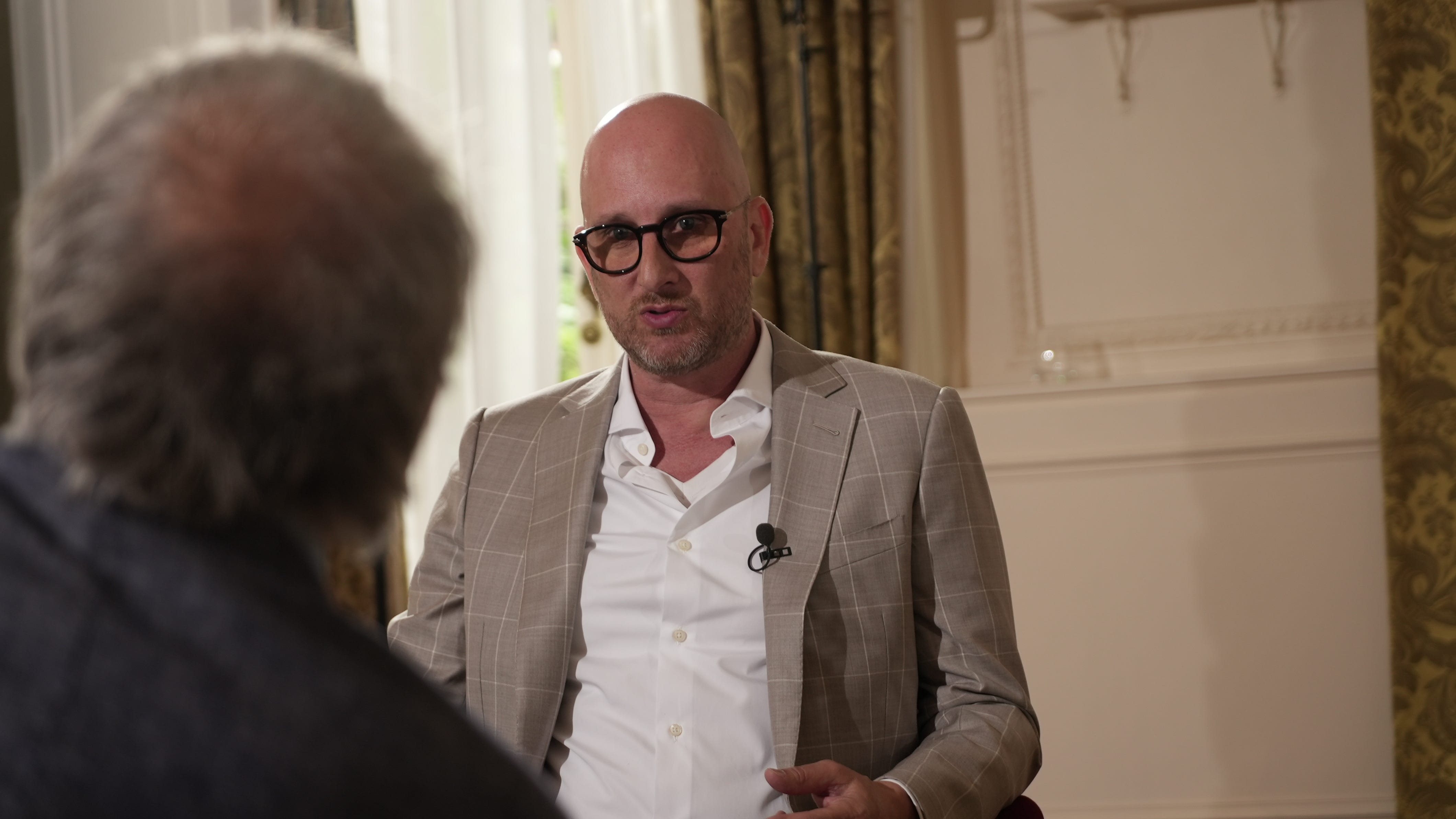
‘Electing a President of the United States is a very serious business...because it affects billions of people. And you really have….to believe 100% in the person you are working for. And I kind of feel that way about Donald Trump. I just don’t have the deep feeling that I would want to work for a Donald Trump.
‘At the end of the day, whether you’re electing a President, a Senator, a Congressman, it’s about putting the country first. The people first. But we’ve put political ideology first. Political power first. That for me is dangerous. And to me, that could mean the end of democracy in the long run.’
My series on Travels in the Peruvian Andes will continue here soon!


